Platinum Dentistry Pallikaranai

Wisdom Tooth Extraction

Understanding WISDOM TEETH EXTRACTION: More Than Just a Procedure

wisdom tooth is one of the last teeth to grow in your mouth. Most people have four wisdom teeth—one in each corner at the very back of their mouth. They usually come in between the ages of 17 and 25.

They’re called “wisdom teeth” because they appear later in life when you are older and (hopefully!) wiser.

In the past, our ancestors needed these extra molars to chew tough foods like roots, nuts, and raw meat. But nowadays, we don’t need them as much because our diets and jaws have changed.

What is WISDOM TEETH EXTRACTION? A Deeper Dive

Reasons Why Wisdom Teeth Aren’t Straight

  1. Lack of Space in the Jaw
    • Your jaw may be too small to accommodate all your teeth, so the wisdom tooth struggles to fit.
    • This can cause it to grow sideways, at an angle, or partially erupt through the gums.
  2. Genetic Factors
    • The size and shape of your jaw and teeth are inherited. If your parents had crowded wisdom teeth, you might too.
  3. Late Development
    • Since wisdom teeth are the last to develop, they often get blocked or pushed into odd positions by the teeth already in place.
  4. Impaction
    • A wisdom tooth can become stuck under the gums or against neighboring teeth, forcing it to grow in a tilted or crooked way.
  5. Abnormal Eruption Path.  

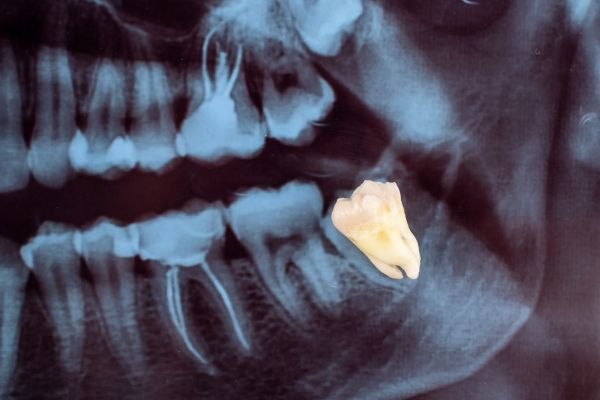
    Sometimes, the wisdom tooth’s natural eruption path isn’t straight, causing it to grow at an angle. This lack of room or space can result in a number of harmful effects on your overall dental health. When this occurs they are said to be impacted, indicating their inability to erupt into an alignment, which will allow them to be able to function in the chewing process.

    There are several types of impactions:

Soft Tissue Impactions: There is adequate jawbone to allow the wisdom tooth to erupt but NOT enough room to allow the gum tissue to recede to allow adequate cleaning of the tooth.

Partial Bony Impactions: There is enough space to allow the Wisdom tooth to partially erupt. It cannot function in the chewing process and creates cleaning problems, among others.

Complete Bony Impactions: There is no space for the tooth to erupt. It remains totally below the jawbone or if even partially visible requires complex removal techniques.

Unusually Difficult Complete Bony Impactions: The impacted Wisdom tooth is in an unusual and difficult to remove position. This situation can also arise when the shape of the jawbone and other facial structures make removal of this tooth significantly more difficul

What is WISDOM TEETH EXTRACTION? A Deeper Dive

A crooked wisdom tooth is common and often nothing to worry about unless it causes pain or other problems. A visit to your dentist can help you decide the best course of action!

Wisdom tooth removal is a common procedure to take out one or more wisdom teeth—the back molars that usually come in during your late teens or early twenties. Sometimes, these teeth don’t have enough space to grow properly, which can cause problems.

Common Problems Caused by Crooked Wisdom Teeth

  • Pain and Discomfort: Crooked or impacted wisdom teeth can press on other teeth or nerves, causing pain.
  • Gum Problems: Partially erupted teeth can trap food and bacteria, leading to gum infections.
  • Crowding: A tilted wisdom tooth can push against nearby teeth, causing them to shift or become crowded.
  • Decay: Crooked wisdom teeth are harder to clean, increasing the risk of cavities.

The Procedure: What to Expect During WISDOM TEETH EXTRACTION

Heading 2: Step-by-Step

Step 1: Numbing the Area

The oral surgeon will give you a numbing injection (local anesthesia). If you’re nervous, they might also offer sedation to help you relax or even put you to sleep during the procedure.

Step 2: Making an Opening (If Needed)

If your wisdom tooth is impacted (stuck in the gum or bone), the dentist may make a small cut in the gum to access the tooth. Sometimes, a bit of bone around the tooth needs to be removed.

Step 3: Removing the Tooth

  • For simple cases: The dentist gently loosens the tooth and pulls it out.
  • For complicated cases: The tooth may be broken into smaller pieces to make removal easier.

Step 4: Closing the Area

  • If a cut was made, the dentist may place a few stitches to help the gum heal. These usually dissolve on their own in a week or two.
  • A gauze pad will be placed over the area to stop bleeding and help a blood clot form.

Dispelling Common Myths About WISDOM TEETH EXTRACTION

Myth: Extracting Wisdom Teeth Is Dangerous

FACT: While wisdom teeth extraction is a type of surgery and there are risks to all surgeries, removing wisdom teeth is a common and fairly safe procedure. Usually patients having their wisdom teeth removed don’t have any complications. Your oral surgeon will go over any risks related to wisdom teeth extraction. 

Myth: Pain-Free Impacted Wisdom Don’t Need Removing

FACT: Just because your impacted wisdom teeth are painless doesn’t mean they are disease-free or problem-free. Complications, such as damage to neighboring teeth, cysts formation and infection can occur in impacted wisdom teeth. If a cyst develops, it can lead to your jaw hallowing or damage to nearby nerves.

Myth: Wisdom Teeth Removal Affects Eyesight.

FACT: One of the most common myths is that wisdom tooth removal causes vision problems. There is no connection between tooth extraction and eyesight. Removing the upper teeth or for that matter any teeth does not affect a person’s eyesight. The nerves which supply eyes and teeth are different hence no interconnection.


Myth: Wisdom Tooth Removal Surgery Takes A Long Time
FACT: Time taken for wisdom tooth surgery depends upon the skill of the surgeon and the equipment used. 


Myth: Removing The Wisdom Teeth Impacts The Jaw Bone Or Face Shape

FACT: Removing the wisdom teeth will not impact your jaw bone or face shape. They are considered extra teeth in the oral cavity and hence are not even replaced after removal. In fact, delaying removal of wisdom teeth in case of recurrent problems can cause much harm. 

Recovery and Aftercare

After the Procedure

  • Rest and Recover: Take it easy for the rest of the day.
  • Manage Pain: Use prescribed painkillers or over-the-counter medications as directed.
  • Control Swelling: Apply an ice pack to the outside of your cheek.
  • Eat Soft Foods: Stick to foods like soup, yogurt, or mashed potatoes for a few days. Avoid hard or spicy foods.
  • Keep the Area Clean: Rinse gently with salt water after 24 hours and avoid vigorous brushing near the site.

Need Help?

FAQs

Wisdom tooth removal is a routine minor surgical procedure. Once the anesthetic wears off, some pain or discomfort at the extraction site is normal. You may be prescribed stronger pain medication to help combat the possibility of greater discomfort.

Dentists recommend preventive wisdom teeth removal in many cases. But not everyone needs their wisdom teeth extracted. Some people have healthy wisdom teeth that grow in normally and don’t cause any issues. Others have impacted wisdom teeth that increase their risk for decay, gum disease and other oral health consequences

Wisdom teeth removal during your teenage years is generally easier for you to recover from. Since young patients also have higher regenerative capabilities, their recovery process is a lot less uncomfortable in comparison to older adults.

Are there any other alternative treatment options apart from removal?

The only other option is to take medicines whenever symptoms precipitate. However, this approach has the potential to worsen your problem further. There are no satisfactory alternatives to removing the cause of the infection – your wisdom tooth. If you do not have your tooth removed, you may get painful infections/recurrent pain.

Wisdom teeth do not grow back after removal, and they do not need to be replaced.

Safe & Gentle Wisdom Tooth Removal

Our expert dentists ensure a painless, quick, and stress-free experience. Book your consultation today and smile with confidence.
Call Now Button